
Join teachers, researchers, and practitioners for a morning of critical discussion, workshops that explore the politics of oracy, challenge deficit narratives, and rethink classroom talk in diverse educational settings
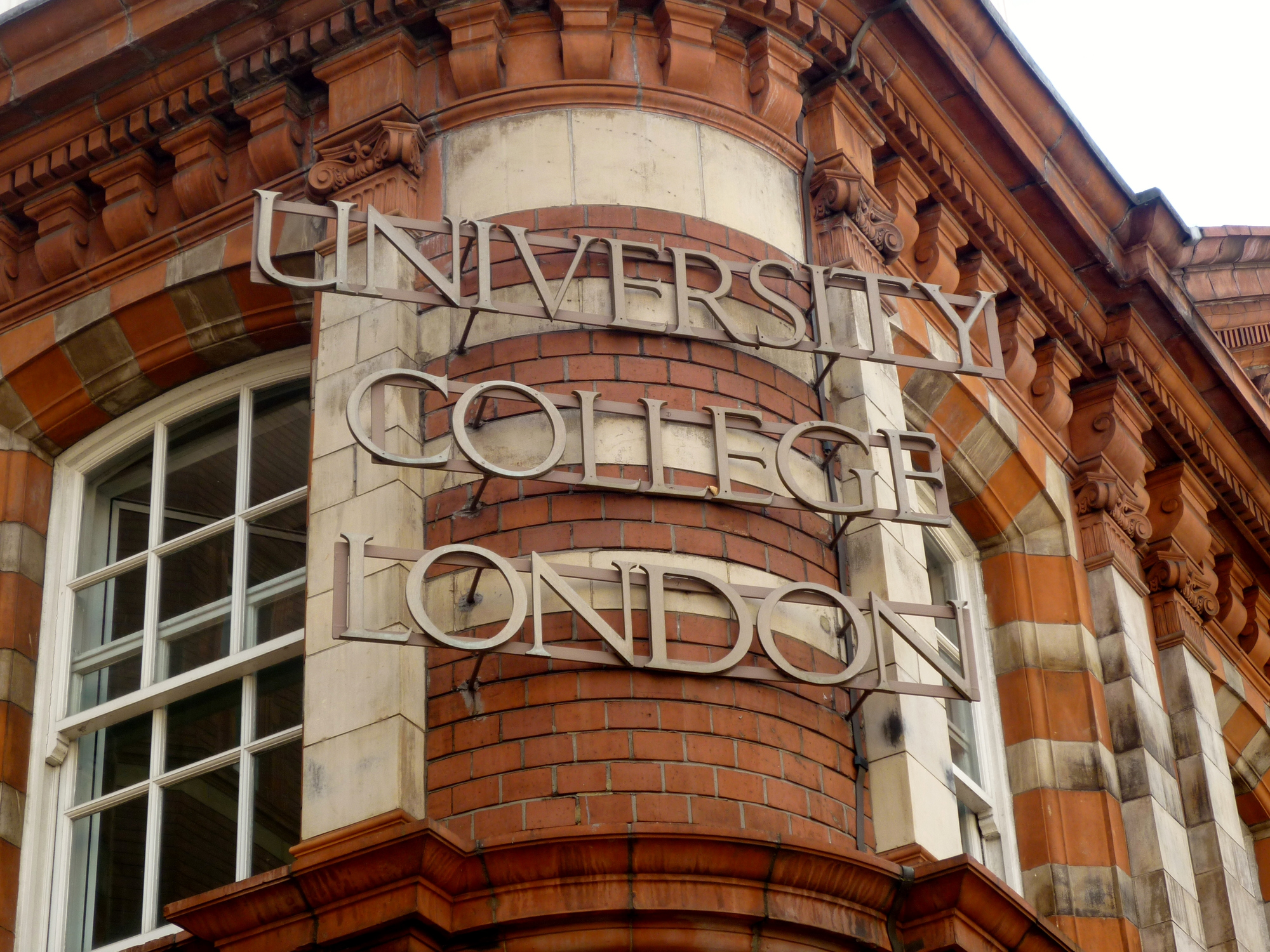
The London Association for the Teaching of English (LATE) Conference takes places on Saturday 5th July at the Institute of Education at University College, London, and features contributions from Ian Cushing (Manchester Metropolitan University) and Su Hippisley (University College London), as well as workshops, lunch, and networking.
Ian’s talk is entitled ‘Oracy, deficit thinking and linguistic in/justice. He says:
‘Oracy’ is a hot topic in England’s education policy and national discourse, with the last 12 months seeing a resurgence of interest from senior politicians, education policy makers, education consultants, academics, and teachers. In this keynote I provide a critique of the mainstream discourse about oracy, especially in how it often gets framed as a part of a social justice enterprise which claims that marginalised children can escape oppression by simply modifying their voices. First, I examine the language ideological foundations of how oracy was first theorised in the 1960s, showing how it was informed by a flawed theory of language rooted in deficit thinking which framed working-class children as linguistically deficient. I then show how these ideologies have remained intact over time and continue to underpin contemporary oracy initiatives. Pushing for the dismantling of deficit thinking, I call for new frameworks of linguistic justice which focus on the transformation of inherently unjust systems as opposed to the modification of marginalised individuals.
Su’s title is Talking to learn: Redefining oracy in a multicultural London Sixth Form. She’ll be presenting with Nick Lawson, who teaches Sociology at City and Islington College, and Debbie Bogart, from the British Library. Su says:
‘We teach and teach and they learn and learn: if they didn’t, we wouldn’t,’ writes James Britton in Language, the Learner and the School (1969). Britton et al’s exploration of the language and talk of children shaped the discourse around oracy during for two decades after publication. Pupil talk was seen as vital for creating participatory pedagogies. How can the text offer opportunities for collaborative research on pupil talk today? Drawing on research conducted at a London sixth form college in 2024, we analyse the talk of A-level students across the curriculum. ‘Oracy’ is back on the agenda (Labour manifesto, 2024). We argue that this version of oracy as a component of social mobility and its association with Standard English sits at odds with Wilkinson (1965) and Britton et al(1969). We ask whether the ‘expressive talk’ of students in A-level classrooms offers another way of conceptualising lives, subjects and experience.’
