
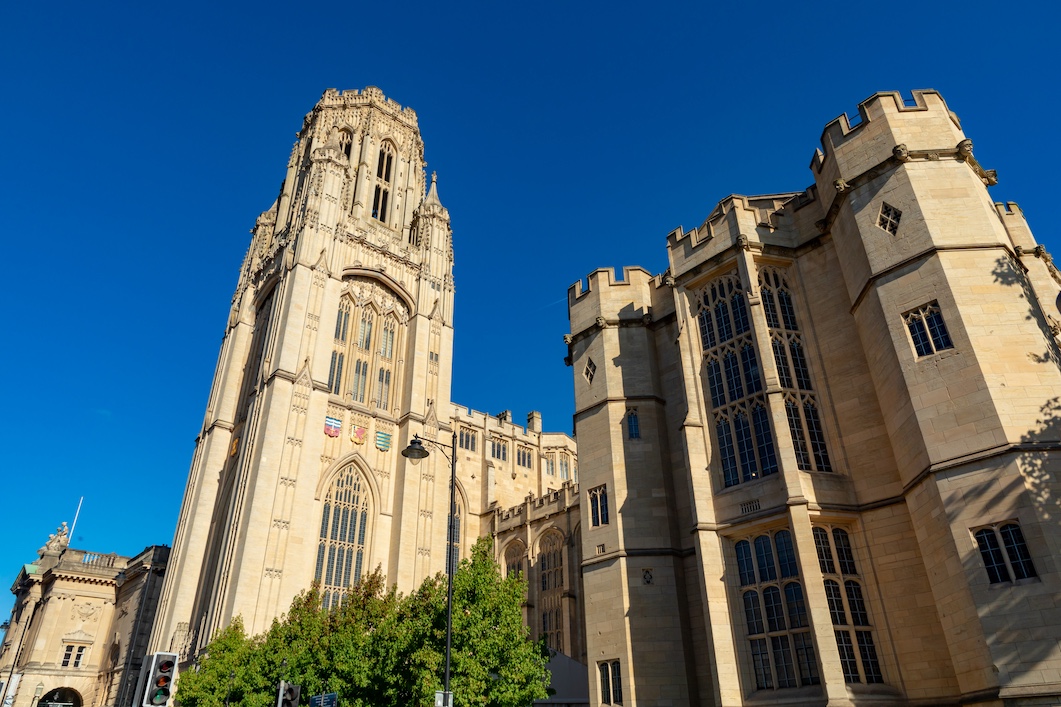
Jessica De Waal on presenting at BERA’s ‘Eco English’ conference and the powerful role of literature in climate change education.
Attending and presenting at the BERA (British Educational Research Association) conference — ‘Eco English: Exploring the Potential of Secondary English to Support Sustainability and Climate Change Education’ — was a truly enriching experience. The event not only provided a platform to share my research but also offered a chance to connect with like-minded educators, researchers, and advocates all passionate about the intersection of literature, climate change, and education. The experience was a powerful reminder of the responsibility we bear to shape the next generation’s understanding of sustainability and the environment, using all the tools at our disposal, including the power of literature.
As a speaker, I had the distinct pleasure of presenting my paper, ‘The Environmental Emergency and Ted Hughes’s Literature for Children,’ which explores the intersection between literature, nature, and environmental consciousness in Hughes’s work. Discussing how his literature, often overlooked for its relevance to contemporary ecological debates, engages young readers with the beauty and fragility of the natural world was a deeply satisfying experience. I thoroughly enjoyed speaking about Hughes’s commitment to nature, his symbolic representations of animals, and how his poetry, when used in the classroom, can serve as a powerful tool for exploring environmental themes with young people.
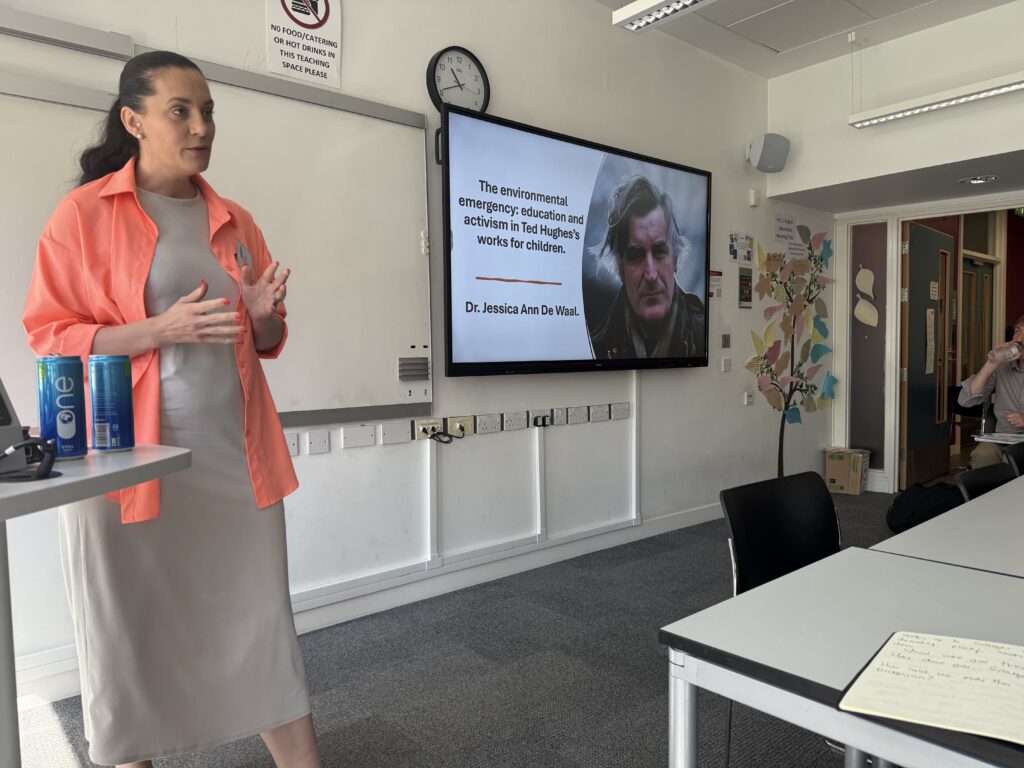
Jessica De Waal discusses environmental education in Ted Hughes’s works for children
One of the standout moments for me during the conference was the diverse range of presentations on offer. It was uplifting to see so many passionate voices discussing how we can bring climate change education into the mainstream curriculum, particularly through secondary English. The presentations underscored the incredible potential of English as a subject to explore ecological themes. From examining the narratives in novels that focus on environmental themes, to exploring poetry that brings attention to the urgency of climate change, it became abundantly clear that the English classroom is a vital space for encouraging critical thinking about the world we inhabit.
In particular, I was intrigued by the references made to the UNESCO Greening Education Partnership. This initiative seeks to integrate sustainability into education systems across the globe, and hearing more about it gave me renewed hope for the future of climate change education. This further illuminated the need for teachers to embrace a holistic approach, one that goes beyond simply teaching about the environment to embedding sustainability into every aspect of learning. I found it especially inspiring that this partnership is designed to support teachers, providing the resources and guidance needed to foster environmental awareness in young people. This kind of global collaboration is exactly what is needed to ensure that sustainability becomes an integral part of the educational fabric in every country.
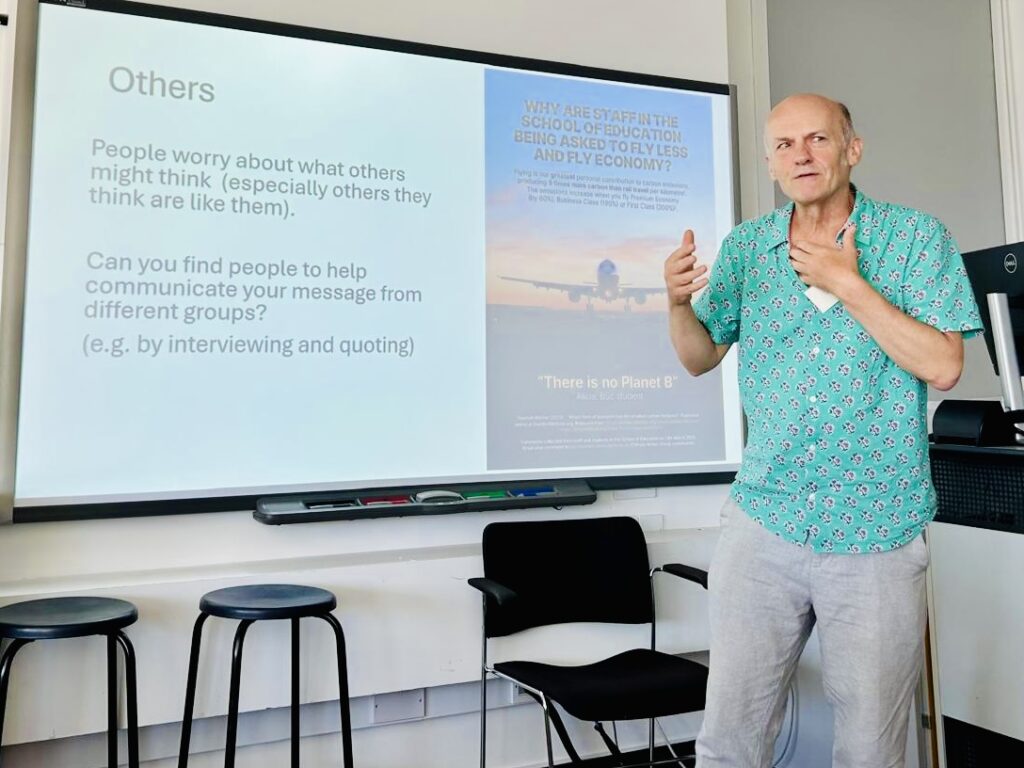
Professor Paul Howard-Jones, University of Bristol, discusses persuasive language for sustainability.
The conference also offered an opportunity to explore the potential for English teachers to use their subject as a tool for activism. Many of the presenters focused on how texts could be used to inspire action and empathy toward the planet. This included not just traditional literary works, but also new, emerging texts that focus on climate change, sustainability, and the broader environmental crisis. What struck me most was the shared belief among the presenters that literature — whether in the form of novels, poetry, or plays — has the power to create lasting change. It is a reminder that stories shape the way we see the world and can inspire new ways of thinking about our relationship with the Earth.
A notable highlight of the day was the palpable sense of community among all the attendees. Educators, researchers, and students were united by their passion for addressing the environmental crisis and making climate education a central part of the curriculum. It was energising to be part of a group that shares the same commitment to building a better, more sustainable future. The event felt like the beginning of a movement that will undoubtedly continue to grow as the urgency of climate change becomes even more pressing.
The passion and enthusiasm of the speakers and attendees were contagious. I left the conference feeling motivated and hopeful about the possibility of integrating sustainability more deeply into the secondary English curriculum.
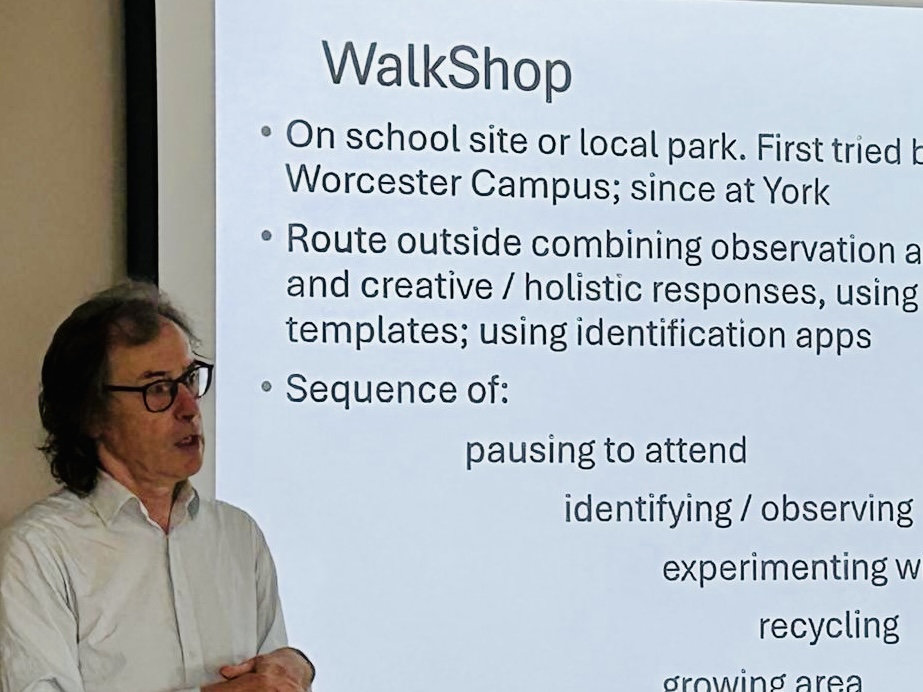
Ralph Pite delivers the keynote lecture
I’d also like to extend my heartfelt thanks to Lorna Smith at the University of Bristol, who did an exceptional job organising the conference. The day was well-structured, engaging, and thought-provoking. It was clear from the outset that this was more than just a conference, it was a catalyst for change. The conversations that took place throughout the day were the kind that make you reflect, rethink, and ultimately reinvigorate your commitment to your profession.
It is my hope that this conference is just the first of many more to come. The need for climate change education is urgent, and the role of English teachers in fostering a generation of environmentally aware and active citizens has never been more important. It’s my firm belief that if we continue to bring together educators who are passionate about sustainability, we can create a wave of change that will resonate across classrooms, communities, and, ultimately, the planet.
The call for a curriculum that prioritises the environment, the greening of education, and the use of literature as a tool for climate activism is now louder than ever. It’s a call I am proud to answer, and I look forward to continuing the conversation and working with others to build a more sustainable future.
